Burning Oud and Breaking Into Sephora: How Arab Fragrance Culture Is Becoming America's Next Big Beauty Obsession
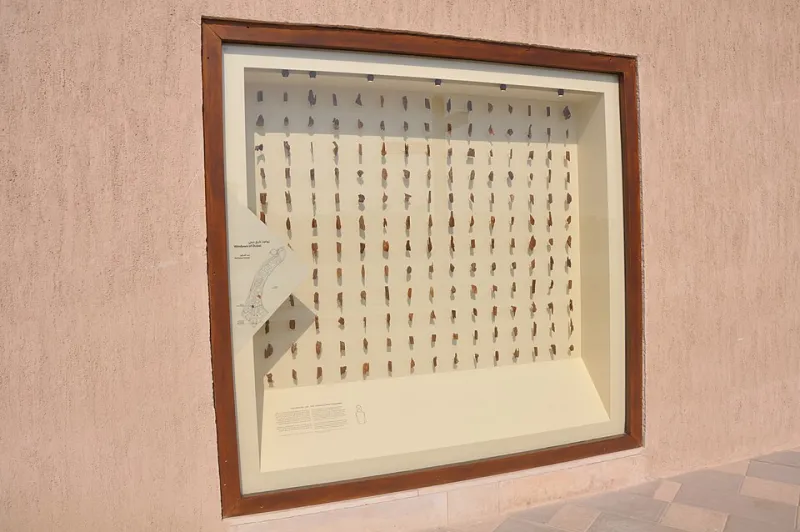
Photo: أمين علوان, CC BY-SA 4.0, via Wikimedia Commons
There's a particular kind of memory that lives in the nose. For millions of Arab Americans, it's the thick, woody curl of oud smoke rising from a mabkhara — that ornate incense burner your teta kept on the living room shelf. Or maybe it's the cloud of musk your mom spritzed before Friday prayers. Scent, in Arab culture, isn't just a personal preference. It's a language, a ritual, a form of hospitality so deeply embedded in daily life that it practically has its own grammar.
Now, that language is being spoken in a whole new dialect — and American beauty consumers are listening.
Over the past few years, Middle Eastern fragrance culture has quietly staged one of the most compelling crossovers in the US beauty industry. Oud-based perfumes, bakhoor incense kits, and richly layered musk blends have moved from specialty import shops and Arab-owned boutiques into the mainstream retail conversation. Sephora, Nordstrom, and even Target have started stocking products inspired by or directly rooted in Arab perfuming traditions. And behind much of that shift? Arab-American entrepreneurs who got tired of waiting for the beauty industry to catch up.
What Makes Arab Fragrance Different (And Why That Matters)
To understand the buzz, you first have to understand what sets Middle Eastern fragrance culture apart. In much of the Arab world, scent is layered, intentional, and deeply communal. You don't just spray and walk out the door. You burn bakhoor — fragrant wood chips soaked in oils — to perfume your home and welcome guests. You apply attar (concentrated oil-based perfume) directly to pulse points, letting it meld with your skin over hours. You pass the mabkhara around a gathering so everyone leaves smelling like the occasion.
Oud, derived from the resinous heartwood of agarwood trees, sits at the center of this tradition. It's one of the most expensive raw fragrance materials in the world — sometimes called "liquid gold" in the industry — and it carries a scent profile that is genuinely unlike anything in the Western fragrance canon. Deep, animalic, smoky, and slightly sweet, good oud is the kind of smell that stops people mid-conversation and makes them ask, what are you wearing?
For Arab Americans, that question used to come with a side of awkwardness. Now it comes with genuine curiosity.
The Entrepreneurs Who Saw It Coming
Nadia Al-Rashid launched her fragrance brand, Bint Al Oud, out of her apartment in Dearborn, Michigan, in 2020. What started as custom blending for friends and family has grown into a direct-to-consumer business with a waitlist for limited drops and a loyal following on Instagram and TikTok.
"I grew up watching my dad layer three or four different attars before he left the house," she says. "Fragrance in our family wasn't a finishing touch — it was the whole point. I wanted to create something that honored that but also felt accessible to people who'd never experienced it before."
Her bestseller is a bakhoor-inspired room mist that captures the smoky warmth of burning incense without requiring an actual charcoal burner. It sold out in 48 hours during her last launch. "A lot of my customers are Arab Americans who are nostalgic for the smell of home," Nadia explains. "But I'm also getting orders from people in the Midwest and the South who just discovered oud on TikTok and want to try something new."
That dual audience — the culturally connected and the culturally curious — is exactly the market that larger beauty retailers are now scrambling to serve.
The Numbers Don't Lie
The global oud and Middle Eastern fragrance market is projected to surpass $12 billion by 2028, according to industry analysts. In the US specifically, niche and artisan fragrance has been one of the fastest-growing segments in beauty, and Middle Eastern-inspired scents are a significant driver of that growth. Search interest in terms like "oud perfume," "Arabic musk," and "bakhoor" has spiked dramatically on Google and Pinterest over the last three years.
Major fragrance houses — Tom Ford, Maison Margiela, Guerlain — have been releasing oud-forward collections for over a decade, but critics within the Arab-American community note that those products often flatten the complexity of the tradition, using oud as a single exotic note rather than as part of a living cultural practice.
"Big brands will slap 'oud' on a label and charge $400, but they're not actually engaging with what oud means," says Tariq Mansour, a fragrance consultant and content creator based in Houston who runs the popular account @ScentOfTheSouk. "The real storytelling is happening with Arab-owned brands. They're not just selling a smell — they're selling a whole world."
TikTok Gave Oud Its American Moment
If there's a single platform that accelerated the mainstream crossover, it's TikTok. Fragrance content — known in the community as "fragnesia" — has exploded on the app, with creators doing blind sniff tests, layering tutorials, and deep dives into the history of different scent families. Arab and Arab-American creators have used this space to educate audiences on everything from how to properly burn bakhoor to the difference between Khaleeji and Levantine fragrance profiles.
Videos with the hashtag #oudperfume have collectively racked up hundreds of millions of views. And when creators post their Arab-inspired fragrance hauls, the products they feature tend to sell out within days.
"I did one video explaining why Arab perfumes tend to be oil-based instead of alcohol-based," says Rima Khalil, a Lebanese-American beauty creator from New Jersey. "I thought maybe a few thousand people would watch it. It hit two million views in a week. People are genuinely hungry to learn."
More Than a Trend
What feels significant about this moment isn't just the sales numbers or the social media metrics. It's the cultural reclamation happening underneath the commerce. For Arab Americans, having their fragrance traditions recognized as sophisticated, desirable, and worth paying a premium for is a form of visibility that extends well beyond the beauty aisle.
For generations, Arab culture in America has been filtered through a narrow set of stereotypes. The idea that a centuries-old Arab perfuming ritual — one that predates modern French perfumery by hundreds of years — could become a luxury status symbol in the US market feels, to many in the community, like a small but meaningful correction.
"My grandmother never needed a magazine to tell her that oud was precious," says Nadia Al-Rashid. "She knew. We all knew. It's nice that everyone else is figuring it out now."
Whether you're an Arab American reconnecting with the smell of your childhood or a curious newcomer who stumbled onto oud through a TikTok rabbit hole, the invitation is the same: slow down, light the mabkhara, and let the scent do the talking. Some things don't need a translation.