When the Dabke Line Meets the Electric Slide: Inside America's Most Fun Wedding Trend
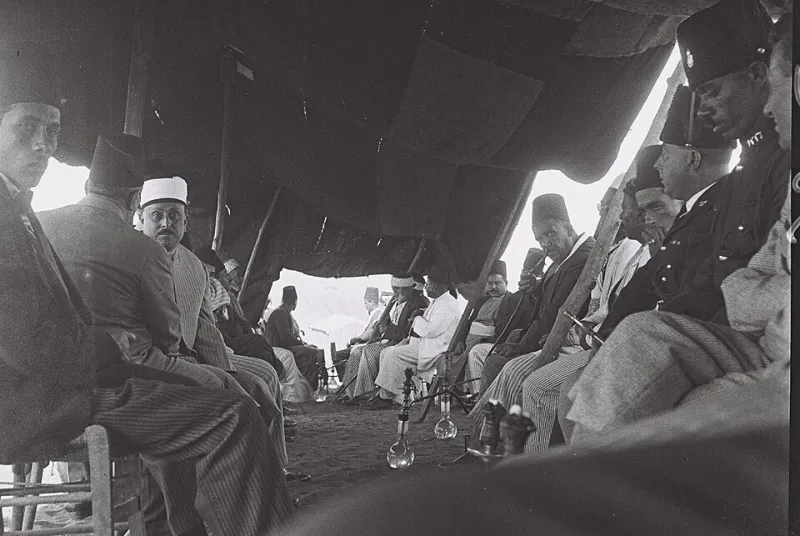
Photo: Zoltan Kluger, Public domain, via Wikimedia Commons
Picture this: the bride's cousins kick off a zaffa with drums echoing down the hotel hallway. Twenty minutes later, the same crowd is doing the Cupid Shuffle with the groom's college roommates from Ohio. Nobody wants to leave. This is the modern Arab-American wedding, and it's having a moment.
Two Playlists, One Dance Floor
Wedding planners in Dearborn, Brooklyn, and Chicago say the biggest request they get isn't a specific song — it's balance. Couples want the zaffa, the dabke, and the classics their grandparents grew up on, but they also want the DJ set their friends will actually dance to.
"The mistake is treating it like two separate weddings," says one Michigan-based planner. "The magic happens when you interleave. A dabke break, then a Top 40 block, then Fairuz while grandma tears up. Rhythm is everything."
The Guests Who Didn't See It Coming
For American guests attending their first Arab wedding, the learning curve is real — in the best way. The dancing is participatory, not performative. When the dabke line forms, guests get pulled in, handed a basic step, and suddenly they're linking arms with someone's tayta.
Couples we spoke to say the bilingual vows help set the tone early. One New Jersey bride recited hers in English and Arabic, then watched her maid of honor cry before the officiant even finished. "It told everyone: this whole night is both of us," she says.
Menus That Don't Compromise
The fusion menu has become its own art form. Think mezze stations next to a raw bar, kibbeh passed on trays alongside beef wellington bites, and — increasingly — late-night shawarma replacing the pizza slice. Wedding caterers report that arayes and fattoush are the first things to run out, even at weddings where most guests have never heard of either.
TikTok Changed the Choreography
Gen Z couples are choreographing entrance dances that blend dabke footwork with viral trends, rehearsed over group FaceTime. Some DJs now specialize in the transition game — mixing oud samples into hip-hop beats so seamlessly that guests don't realize the genre switched.
The result? Weddings that refuse to pick a lane, and dance floors that stay packed until the venue literally turns the lights on. As one groom put it: "Our grandmothers got a party. Our friends got a party. Everybody won."