Amman's Best Clinics and What American Visitors Need to Know Before They Go
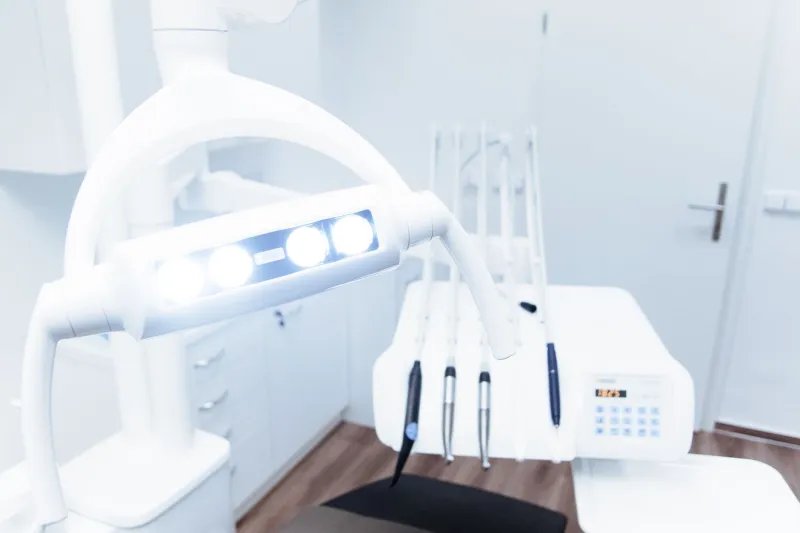
If you've got family in Jordan or you've been scrolling through travel forums lately, you've probably heard people talking about flying to Amman for medical care. And honestly? It makes a lot of sense. Jordan has quietly built one of the most respected healthcare systems in the entire Middle East, and Amman — the capital city — is the hub of it all. From routine checkups to specialized procedures, the city's clinics are drawing in patients from across the Arab world and from the United States.
So whether you're an Arab-American heading back to visit relatives and want to squeeze in a doctor's visit, or you're genuinely exploring medical tourism as an option, here's what you need to know about clinics in Amman.
Why Amman Is on the Medical Tourism Map
Jordan has long been considered the medical capital of the Arab world. Amman in particular is home to internationally accredited hospitals and clinics staffed by physicians who often trained in the US, UK, or Europe. The cost of care is significantly lower than what Americans typically pay out-of-pocket, and the quality — especially in private clinics — is genuinely impressive.
For Arab-Americans, there's an added layer of comfort: you can communicate in Arabic, navigate cultural expectations around healthcare without explanation, and often feel more at ease in a system that understands your background. That matters more than people give it credit for.
Types of Clinics You'll Find in Amman
Amman has a wide range of medical facilities, from large private hospital complexes to smaller specialty clinics. Here's a quick breakdown:
General Practice and Family Medicine Clinics These are your go-to spots for routine care — checkups, prescriptions, referrals. Many neighborhoods in Amman have well-established family medicine clinics that operate on a walk-in or appointment basis. Wait times are generally much shorter than what most Americans are used to dealing with.
Specialty Clinics Amman is particularly well-known for dental care, dermatology, orthopedics, and fertility treatments. American visitors often combine a trip to Jordan with dental work or cosmetic dermatology procedures because the cost difference can be dramatic — sometimes 60 to 70 percent less than US prices.
Diagnostic and Lab Centers Need bloodwork, imaging, or a scan? Amman has a strong network of diagnostic centers where you can often get results the same day or within 24 hours. This is a big deal for anyone used to waiting weeks for test results back home.
Neighborhoods Known for Medical Services
If you're looking for clinics in Amman, a few areas stand out:
- Shmeisani is one of the most well-known medical districts in the city. It's packed with private clinics, specialist offices, and pharmacies. Think of it as Amman's version of a medical corridor.
- Abdoun is an upscale neighborhood with a concentration of high-end private clinics, many of which cater to international patients and expats.
- Sweifieh has a mix of general practice clinics and specialty offices, making it a solid option if you're staying in the western part of the city.
- Downtown Amman (Al-Balad) has more affordable options and government-affiliated health centers if cost is a primary concern.
Tips for American Visitors Navigating Amman's Clinics
Bring your medical records. If you're seeing a specialist or continuing treatment you started in the US, having your records on hand — even digitally — will save you a lot of time. Many Amman clinics have bilingual staff who can work with English-language documents.
Cash and cards are both accepted. Most private clinics in Amman accept credit cards, but it's always smart to have some Jordanian dinars on hand. Payment is typically upfront, especially for specialists.
Check for JCI accreditation. The Joint Commission International (JCI) accredits hospitals and clinics globally, including several in Amman. If you're looking for a benchmark of quality that aligns with US standards, JCI-accredited facilities are a safe bet.
Travel insurance matters. If you're an American traveling to Amman and planning to use medical services, check whether your travel insurance covers international healthcare. Some plans do, and it can save you from any unexpected costs.
Language is rarely a barrier. In private clinics especially, English is widely spoken. Many Jordanian doctors completed graduate training in English-speaking countries and are fully comfortable communicating in both languages.
The Cultural Side of Healthcare in Amman
For Arab-Americans, walking into a clinic in Amman can feel both familiar and a little different from what you're used to in the US. The pace is different — there's often more personal interaction with your doctor, less of the rushed, conveyor-belt feeling that American healthcare can sometimes have. Doctors in Jordan tend to spend more time with patients, ask about family, and take a more holistic view of your situation.
There's also a strong culture of trust in medical professionals. Recommendations travel through family networks, so if you're visiting relatives in Amman, ask around — someone in the family almost certainly has a doctor they swear by.
Is It Worth Planning a Trip Around Medical Care?
For some people, yes — absolutely. If you're looking at a significant dental procedure, a dermatology treatment, or a specialist consultation that would cost thousands in the US, Amman is worth serious consideration. Add in the fact that Jordan is a genuinely beautiful country with incredible food, history, and hospitality, and a medical trip can easily double as a meaningful cultural visit.
For Arab-Americans especially, combining a family trip to Jordan with healthcare needs is a practical and increasingly common choice. You get quality care, you see your people, you eat mansaf — honestly, it's a win across the board.
Final Thoughts
Amman's medical scene is no secret to those who've spent time in the Arab world, but it's still flying under the radar for a lot of Americans. Whether you need a quick clinic visit during a family trip or you're genuinely exploring your options for more significant care, the Jordanian capital has the infrastructure, the expertise, and the cultural familiarity to make the experience feel a whole lot less stressful than navigating the US healthcare system. And that alone might be worth the flight.