No Punchline Left Behind: The Arab Comics Making America Laugh Out Loud
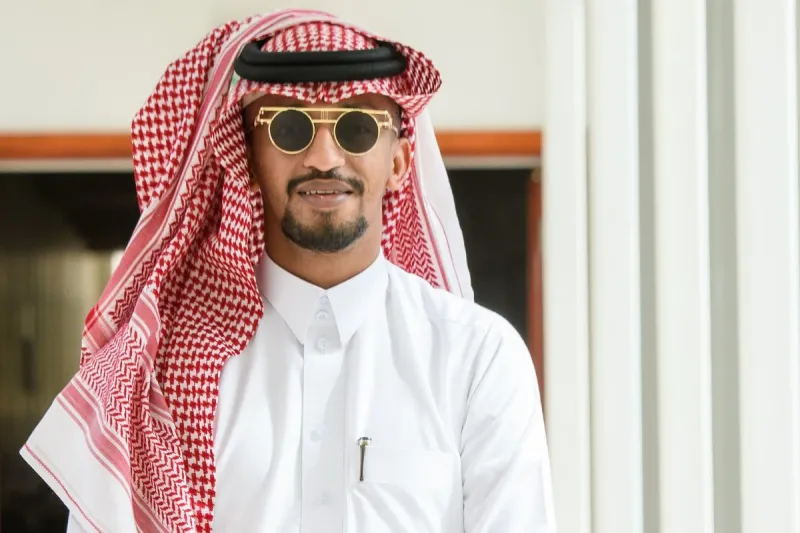
Photo: Arab American stand-up comedian performing on stage comedy club, via asset.kompas.com
Walk into a comedy club in New York, LA, Chicago, or Detroit on any given weekend and you've got a decent shot of watching an Arab-American comedian absolutely destroy the room. Not metaphorically. Literally leave people gasping, wiping tears, and pulling out their phones to text their friends "you HAVE to watch this person."
Something is happening in American stand-up comedy, and it smells like hummus and has a lot to say.
A Long Time at the Back of the Room
Let's be honest about the history here. For most of the past two decades, Arab characters in American entertainment existed almost exclusively as punchlines, villains, or background noise. Post-9/11 culture did a number on how Arab identity was portrayed in media, and comedy was no exception. The jokes were usually about Arabs, rarely by them.
That dynamic is flipping fast. A new wave of Arab and Arab-American comedians has decided — collectively, organically, and with zero permission from the industry — that they're going to tell their own stories. And it turns out those stories are hilarious.
The humor isn't sanitized or safe. It's specific, sharp, and rooted in real lived experience. It tackles family dysfunction, immigration chaos, cultural clash, identity confusion, and yes, the absurdity of being Arab in post-9/11 America. That specificity is exactly what makes it universal.
The Comedians You Need to Know Right Now
If you haven't already discovered Mo Amer, stop what you're doing. The Kuwaiti-American comic — who grew up in Houston after his family fled Iraq — released his Netflix special Mohammed in Texas to massive acclaim and followed it up with his own Netflix sitcom, Mo. His comedy is deeply personal, politically aware, and laugh-out-loud funny in a way that sneaks up on you. He's not performing Arab-ness for an outside audience. He's just... being himself, and letting you come along for the ride.
Then there's Ahmed Ahmed (yes, that's his real name, and he's made peace with it being the funniest part of his identity). One of the pioneers of Arab-American stand-up, Ahmed has been grinding the club circuit for decades and helped produce Axis of Evil, one of the first major comedy specials centered on Arab and Middle Eastern comics. He laid groundwork that a whole generation is now building on.
On the rising side, keep your eyes on comedians like Mona Shaikh, who brings a South Asian-Arab fusion perspective that hits differently and unpacks gender dynamics in the community with razor precision. Or check out Eman El-Husseini, the Canadian-Egyptian comic who's been tearing up festivals across North America with material that's equal parts warm and devastating.
Why Arab Humor Hits Different
There's a rich oral storytelling tradition in Arab culture — the art of the hakawati, the traveling storyteller who could hold a crowd spellbound with nothing but words and timing. Comedy, at its core, is storytelling. And Arab comedians bring that instinct for narrative, for the slow build, for the perfectly timed reveal, into their sets in ways that feel distinct from the rapid-fire one-liner style that dominates a lot of American stand-up.
Arab comedy also tends to be deeply communal. A lot of the best material comes from family — the overbearing mom who needs to know your exact location at all times, the dad who communicates exclusively through proverbs, the extended family WhatsApp group that is simultaneously a source of love and total chaos. American audiences, regardless of background, recognize those dynamics immediately. Dysfunctional family comedy is the most universal genre there is.
What Arab comedians add is specificity. It's not just "my mom is overprotective." It's the particular way an Arab mom expresses love through food, guilt, and an almost supernatural ability to make you feel simultaneously smothered and completely seen. That detail is what separates good comedy from great comedy.
Navigating the Stereotype Tightrope
Here's where it gets complicated — and where these comedians deserve a lot of credit. There's a real tension in being an Arab comic in America right now. Lean too hard into self-deprecating material about your own culture and you risk feeding stereotypes you're trying to dismantle. Play it too safe and the comedy loses its teeth.
The best Arab comedians walk that line with remarkable skill. They use satire to expose the absurdity of how Arab people are perceived, not to confirm it. Mo Amer joking about airport security isn't reinforcing the idea that Arabs are suspicious — it's exposing how dehumanizing and ridiculous that profiling is, while making you laugh at the system rather than the person being targeted.
That's a sophisticated comedic move. And it requires a level of cultural intelligence that frankly puts a lot of mainstream comedy to shame.
The Festival Circuit and Streaming Boom
Arab comedians are no longer just working the club circuit — they're showing up at major festivals. The New York Comedy Festival, Just for Laughs, and South by Southwest have all featured Arab and Arab-American comics in increasingly prominent slots. Streaming platforms, always hungry for fresh voices, have started to recognize that Arab comedians bring an underserved audience with them.
That audience is real and passionate. Arab-Americans number somewhere around 3.7 million in the US, concentrated in cities like Detroit, New York, Chicago, and Los Angeles. They've been waiting a long time to see themselves reflected honestly and joyfully in American entertainment. When they find a comedian who gets it, the word-of-mouth is fierce.
The Mic Is Theirs Now
What's happening with Arab comedy in America right now isn't a trend. It's a correction. These comedians are filling a space that should have been available to them all along, and they're doing it with enough talent and originality that the industry is finally sitting up straight.
For US audiences, this is genuinely exciting. Comedy is healthiest when it draws from as many different wells of human experience as possible. Arab comedians are bringing stories, rhythms, and perspectives that enrich the whole art form.
So next time you're scrolling for something to watch on a Friday night, skip the familiar names for once. Find an Arab comedian you've never heard of. Chances are, you'll be texting your friends about them before the set is even over.